
How to Control Map Vision Effectively in Wild Rift
Controlling map vision is one of the most underrated yet essential skills in Wild Rift. Whether you’re a casual player or climbing ranked matches, understanding how to establish and deny vision can turn the tide of battle. For players who take their improvement seriously, gaming platforms like Playtime offer insights into competitive strategies, including map awareness and team coordination fundamentals. In this guide, we’ll explore practical techniques and proven strategies for improving map vision control in Wild Rift to elevate your overall gameplay performance.
Understanding Map Vision in Wild Rift
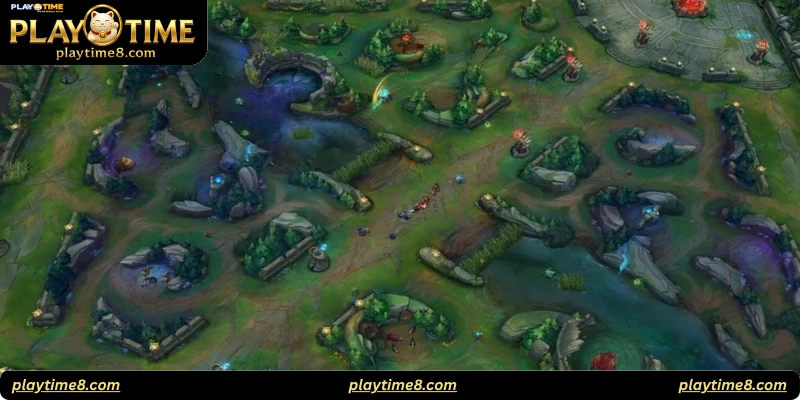
Map vision in Wild Rift refers to the information your team gathers through wards, abilities, and positioning to reveal hidden areas and enemy movements. It’s not only about seeing the map but about interpreting that information strategically. Teams that control vision often secure more objectives, avoid ambushes, and dictate the game’s pace.
In ranked games, vision control separates good players from great ones. If you’ve ever wondered why pro teams seem to anticipate every move, it’s because they master vision management through coordinated warding and timing.
Key Elements of Vision Control
There are three main pillars of effective vision control in Wild Rift: placement, timing, and denial. Each component contributes to maintaining a continuous advantage on the map.
| Vision Element | Purpose | Example Use | Counter Strategy |
|---|---|---|---|
| Ward Placement | Reveal key objectives and jungle paths | Dragon pit, Baron pit, jungle entrances | Use Sweeping Lens to remove enemy wards |
| Timing | Coordinate wards with spawn timers | Place vision 30 seconds before objectives | Force fights when enemy vision expires |
| Vision Denial | Reduce opponent’s map awareness | Clear wards before objectives | Re-ward areas after clearing |
Practical Tips for Effective Vision Control
1. Master Ward Economy
Players often underestimate the impact of ward economy. Each ward costs gold or occupies a trinket slot, so understanding when to upgrade to Oracle Lens or Control Ward is crucial. Supports should prioritize Control Wards throughout the match, while junglers should swap to Oracle Lens around mid-game for vision denial.
2. Prioritize Objectives
Effective map vision revolves around objective control. Before fighting for the Dragon or Baron, ensure your team has established ward coverage in surrounding areas. This preemptive setup prevents enemy flanks and ensures safer positioning during engagements.
3. Rotate as a Team
Vision isn’t a solo mission. Teams that move together to secure or clear vision zones reduce the risk of being picked off. If you’re playing support or jungler, communicate with your mid-laner before entering enemy jungle areas. This coordination enhances both safety and efficiency.
4. Learn Common Ward Spots
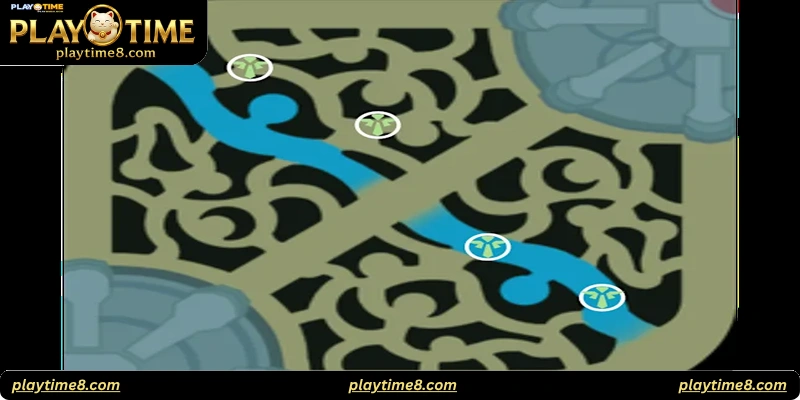
Memorize high-value ward spots such as the river bushes, tri-bushes, and jungle entrances. Placing wards in predictable locations allows you to detect rotations and anticipate ganks. Meanwhile, creative warding—like placing vision over walls—can catch enemies off guard.
5. Use Abilities for Temporary Vision
Certain champions like Ashe, Lee Sin, and Lux have abilities that provide temporary vision. Smart use of these abilities can check bushes or objectives without wasting wards, giving your team an edge in conserving resources.
Common Vision Mistakes Players Make
Even experienced players often make mistakes when managing vision. Common errors include over-warding one area, ignoring ward timers, or failing to replace expired wards. Another issue is solo warding in unsafe territory—avoid entering enemy jungle alone unless you have an escape plan or support nearby.
Team Coordination and Vision Responsibility
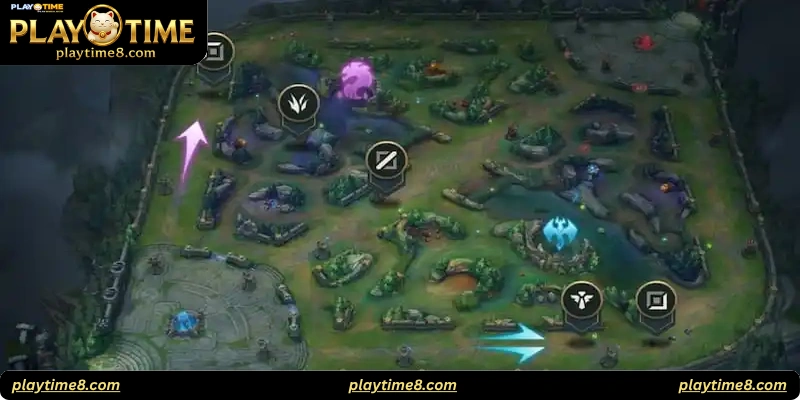
Each role in Wild Rift contributes differently to vision control. Supports and junglers are primarily responsible for maintaining active vision. However, top, mid, and bot laners must assist by purchasing wards and maintaining awareness of their lanes. Communication is key—ping unwarded areas and call out missing enemy movements.

Vision Control in Competitive Play
In competitive and ranked environments, the team with superior vision often dictates the match’s tempo. Pro players rely heavily on vision to set traps, control objectives, and snowball advantages. For instance, strategic warding around Baron pit before a fight allows one team to collapse faster and make informed decisions based on enemy positions.
FAQ: Controlling Map Vision in Wild Rift
1. What’s the best time to ward objectives?
Place wards about 30 seconds before objectives like Dragon or Baron spawn. This ensures coverage before fights begin and denies enemy setup time.
2. Which champions are best for vision control?
Supports like Thresh, Nami, and Karma excel due to their mobility and crowd control. Junglers like Lee Sin or Evelynn can also manipulate vision effectively.
3. Should all team members buy Control Wards?
Yes. While supports buy the most, every player should invest in Control Wards, especially during mid and late game for team fights and objective control.
4. What’s the difference between Stealth Wards and Control Wards?
Stealth Wards provide invisible vision, while Control Wards reveal and disable enemy Stealth Wards, offering both defense and offense utility.
5. How can I safely clear enemy wards?
Always bring teammates or clear vision after pushing lanes. Avoid overextending alone in dark areas.
6. Can trinket upgrades improve vision control?
Absolutely. Upgrading to Oracle Lens or Farsight Alteration gives tactical advantages based on your role—vision denial for supports or long-range vision for carries.
7. Is vision still important if I’m playing carry?
Yes. Even damage-focused roles benefit from map awareness, as it prevents ambushes and optimizes positioning during fights.
8. How does vision help with macro play?
Vision enables better rotations, split-push decisions, and objective prioritization, allowing your team to control tempo and avoid risky engagements.
9. What’s a good ratio of wards placed per game?
A support should average 25–40 wards per match, while other roles should place at least 10–20 depending on map control and duration.
10. How can I improve my map awareness?
Regularly glance at the minimap every few seconds, especially after clearing waves or using abilities. Vision is only useful if you act on the information.
Conclusion
Mastering how to control map vision effectively in Wild Rift is not only about warding—it’s about teamwork, timing, and strategic interpretation of map data. Consistent vision control separates high-ranked players from the rest. Whether you’re securing objectives, denying enemy insight, or setting traps, understanding these mechanics elevates your gameplay. Stay consistent, play responsibly, and always value teamwork—because vision truly wins games.




