
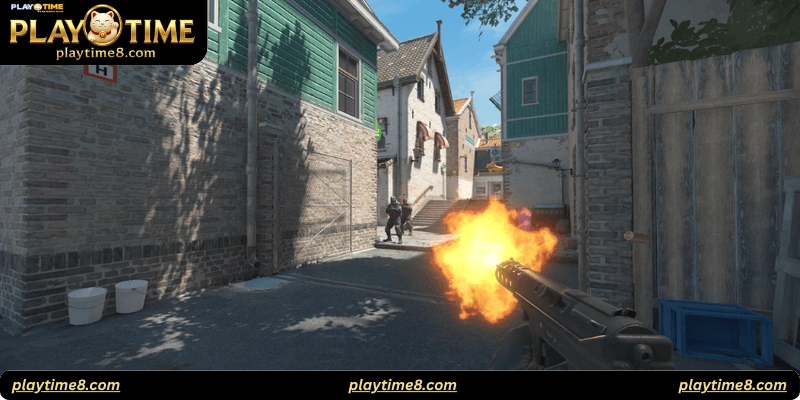
When it comes to Counter-Strike 2, clutch moments separate great players from average ones. In this guide, powered by Playtime, we’ll break down how to improve clutch skills in CS2 through decision-making, positioning, and emotional control. Mastering clutch play requires patience, confidence, and deep game understanding—qualities that can be developed with focused practice.
Understanding the Meaning of a Clutch
In CS2, a clutch refers to a high-pressure situation where one player must win the round despite being outnumbered. Winning a 1v2, 1v3, or even 1v5 clutch can completely shift the momentum of a match. Learning how to improve clutch skills in CS2 isn’t about luck; it’s about composure, map knowledge, and mechanical precision.
Mindset and Confidence
Confidence is essential in clutch scenarios. Top-tier players like s1mple or NiKo don’t panic when left alone—they focus on execution. The first step in improving your clutch ability is controlling nerves. Take a deep breath, visualize success, and remind yourself that every clutch is an opportunity to prove your skill. Mental resilience is the difference between a rushed mistake and a well-timed headshot.
Smart Positioning and Map Awareness
Positioning is critical when you’re alone. Always play around choke points and use the map to your advantage. In Inferno’s B site, for example, playing around new box or coffins allows for fast rotations and multiple angles of defense. Being unpredictable keeps opponents guessing, which can buy you precious seconds.
| Clutch Strategy | Benefit | Risk Level |
|---|---|---|
| Play for Time | Forces enemies to rush | Low |
| Hold Angles | Ensures first-shot accuracy | Medium |
| Fake Plant | Baits opponents into open fights | High |
Weapon Choice and Ammo Management
Knowing which weapon to use in clutch situations is another way to enhance your chances. A silenced M4A1-S, for instance, allows quieter repositioning. Always reload after eliminating an enemy if safe, but never at the cost of exposing your location. When time is low, switching to a pistol might be smarter than reloading. Understanding weapon dynamics is key to mastering how to improve clutch skills in CS2.
Utility Usage in Clutch Rounds
Grenades can decide the outcome of a clutch. A simple smoke grenade can block a sniper’s view, while a flashbang can give you an entry kill opportunity. Always plan how to use your utilities before taking fights. In a 1v2, for instance, a flash and quick reposition can isolate one duel at a time. This tactical advantage is how professionals win impossible situations.
Sound and Information Gathering
Sound cues are your best friend. Listen for footsteps, reloading, or scope sounds to anticipate enemy movement. The best players use sound to create mental maps of enemy positions. A clutch player’s awareness often wins rounds even before a fight happens. Avoid unnecessary noise—don’t reload or switch weapons near enemies unless absolutely safe.
Timing and Patience
One of the biggest mistakes new players make is rushing during a clutch. Timing can determine whether you win or lose. Wait for your opponent to make the first move or use the bomb timer to your advantage. For instance, if you’re the last terrorist alive and have planted the bomb, listen for the defuse sound before peeking. Patience is a silent weapon in CS2.
Analyzing Your Clutch Failures
Every lost clutch is a lesson. Review your replays to analyze movement patterns, crosshair placement, and decision-making. Were you exposed? Did you reload at the wrong time? Small mistakes compound under pressure. Watching your plays helps refine instincts and ensures you adapt for future matches. This analytical habit is what separates casual players from competitive ones.
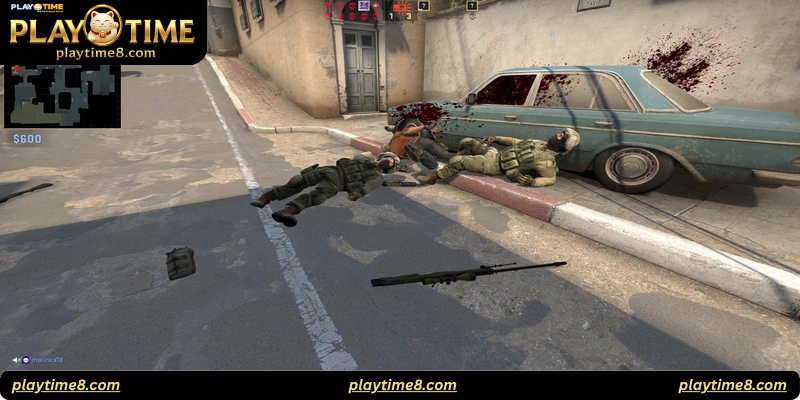
Training Routines to Build Clutch Skills
To truly improve clutch skills in CS2, set up practice routines. Use aim trainers like Aim Lab or Kovaak’s, but also create in-game custom clutch scenarios using workshop maps. Simulating 1vX situations repeatedly builds muscle memory for both aim and decision-making. Additionally, scrimming with teammates who simulate pressure will train your reaction and composure in real situations.
Comparison of Common Clutch Mistakes
| Mistake | Impact | How to Fix |
|---|---|---|
| Overexposing | Reveals position | Use cover and movement wisely |
| Poor Utility Use | Wastes key grenades | Plan usage before engagement |
| Panic Shooting | Missed shots | Slow down aim and control recoil |
| Ignoring Sound | Lose information | Wear quality headset and focus |
FAQs About Clutch Skills in CS2
1. How can I stay calm during clutch moments?
Practice deep breathing and maintain confidence through repetition. The more you face high-pressure moments, the calmer you’ll be.
2. What’s the best way to train clutch scenarios?
Use community workshop maps designed for 1vX training, or simulate rounds with friends in private lobbies.
3. Should I always go for a clutch?
No. Sometimes saving your weapon and armor for the next round is smarter, especially when the economic situation is poor.
4. Which weapons are ideal for clutches?
Weapons with manageable recoil and silence options like M4A1-S or USP-S are excellent for stealth and control.
5. How important is utility in clutches?
Utility can turn the tide of a round. A single smoke or flash can completely change engagement dynamics.
6. Do pros train clutch scenarios?
Yes, professional players review clutch situations constantly to refine timing, decision-making, and mechanical accuracy.
7. What mistakes should I avoid when clutching?
Avoid running, reloading in open areas, and revealing your position too early. Silence and surprise are key.
8. How does communication affect clutch rounds?
Even if you’re the last player alive, use dead teammates’ info about enemy positions. Good comms lead to better decisions.
9. Can map knowledge alone help me clutch?
It plays a huge role. Knowing bomb plant locations, sound zones, and hiding spots lets you outsmart opponents.
10. How do I improve long-term clutch consistency?
Develop a balanced mix of aim training, mental composure, and self-review. Track your clutch success rate to measure growth.
Conclusion
Learning how to improve clutch skills in CS2 takes discipline, not luck. Each lost round provides lessons on patience, awareness, and strategic adaptation. By focusing on mental calmness, tactical awareness, and practice, players can steadily build the mindset of a true clutch master. Remember to play responsibly, train consistently, and keep your focus on progress—not perfection. Every round is a new chance to outthink, outshoot, and outlast your opponents.




