
Effective communication is one of the most crucial skills in competitive shooters, especially in tactical titles like Valorant. Whether you’re a solo queue player or part of a full stack, mastering how to communicate better with teammates in Valorant can drastically increase your win rate. Platforms like Playtime support players who want to understand the mindset and strategy behind better in-game coordination, both for fun and competition. This guide will explore actionable steps, real examples, and responsible gaming habits that strengthen your teamwork and decision-making in Valorant.
Why Communication Matters in Valorant
Valorant isn’t just about aim or reflexes—it’s a strategic, information-driven game. Players who share key details such as enemy positions, ability cooldowns, and map control give their team a tactical edge. Teams that communicate clearly can prevent ambushes, coordinate retakes, and execute bombsite attacks with precision.
Core Principles of Effective Communication
Improving your communication involves clarity, timing, and composure. Below are the foundations every player should focus on:
- Clarity: Keep callouts short, direct, and understandable.
- Timing: Share critical information when it’s relevant—don’t overload teammates mid-fight.
- Composure: Stay calm under pressure; panicked comms can confuse teammates.
- Consistency: Use standard map callouts that everyone understands.
- Respect: Encourage teammates instead of blaming them for mistakes.
Top Tips for Better Team Communication
Here are practical ways to develop and apply these communication skills during your Valorant matches.
1. Learn Map Callouts
Every map has specific callouts for areas like “Heaven,” “A Site,” or “Garage.” Using standard terms helps ensure everyone’s on the same page. For example, instead of saying “there’s someone near the building,” specify “enemy in Garage.”
2. Communicate Intent, Not Just Information
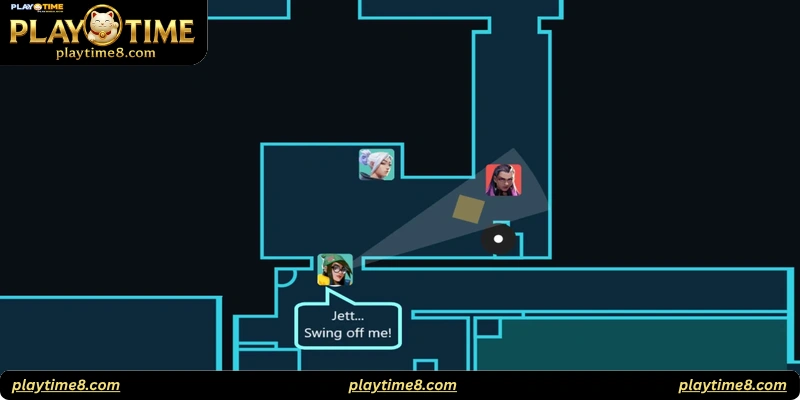
Instead of only saying where enemies are, tell teammates what you plan to do. For instance: “One mid, I’m rotating through spawn.” This helps coordinate plays and avoid confusion.
3. Balance Talking and Listening
Good communication is two-way. Avoid dominating voice chat and make space for others. Listen carefully to teammates’ updates and react accordingly.
4. Use the Ping System
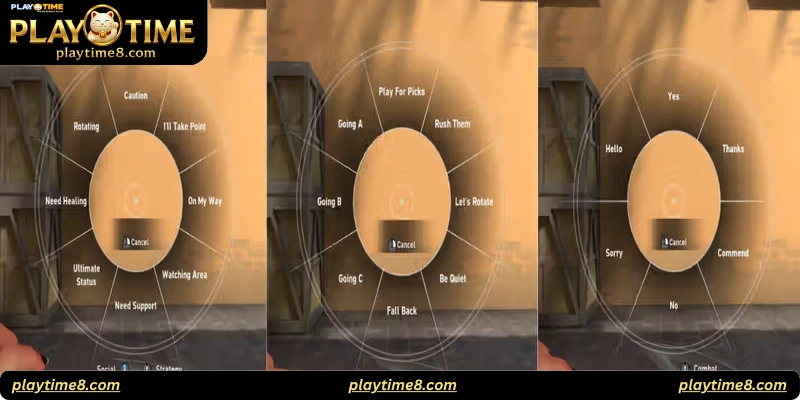
When voice chat isn’t an option, Valorant’s ping system allows quick, non-verbal coordination. Use it to mark enemies, objectives, or routes silently and effectively.
5. Manage Tilt and Emotions
Emotional control is essential. Frustrated players often lash out, creating negative team dynamics. If someone misplays, stay constructive—say, “Let’s hold angles next round,” instead of blaming.
Comparison: Poor vs. Effective Communication
| Criteria | Poor Communication | Effective Communication |
|---|---|---|
| Information Clarity | Vague callouts like “over there” | Specific callouts like “Enemy B main” |
| Team Morale | Negative or blaming tone | Supportive and solution-focused tone |
| Response Time | Slow reactions to intel | Immediate coordination |
| Outcome Consistency | Uncoordinated plays | Structured and synchronized actions |
Applying Communication in Ranked Matches
In ranked play, even minor miscommunication can cost rounds. The best players understand timing—knowing when to call rotations, when to stay silent for stealth, and when to offer encouragement. Many professional teams practice structured communication drills, such as pre-round strategies and post-round debriefs, to maintain cohesion.
Legal and Responsible Play Notice
Players should always engage with gaming communities respectfully and responsibly. Toxic or abusive communication may lead to penalties under Riot Games’ player code of conduct. Building positive communication habits not only improves performance but also contributes to a healthy, inclusive gaming environment.

Frequently Asked Questions
1. How can I practice better communication outside of matches?
Join Valorant Discord communities to practice callouts, or review pro match replays to learn their communication styles.
2. What should I do if my teammates don’t talk?
Lead by example—make calm, concise callouts. They often start responding once they see clear communication helps the team.
3. How do I handle toxic teammates?
Mute abusive players to maintain focus. Never engage in toxicity, as it can escalate quickly and affect your performance.
4. Are voice comms more important than pings?
Both matter. Voice comms offer richer context, but pings are vital when quick, silent coordination is needed.
5. Can communication alone win games?
Not by itself—but it multiplies the effectiveness of good aim and strategy, turning average teams into coordinated units.
6. What’s the best way to calm nerves during ranked play?
Take deep breaths, focus on your role, and remind yourself it’s just one game. Confidence improves communication clarity.
7. How do pro players communicate so effectively?
They use structured, coded callouts and strict voice discipline. Every player has a communication role in the team setup.
8. Is it possible to over-communicate?
Yes. Too much chatter can overwhelm teammates. Focus on concise, relevant information during critical moments.
9. Can I improve communication if I’m shy?
Start with short pings and typed messages. Gradually move to mic use as you grow comfortable in voice chat settings.
10. Does good communication help in other games too?
Absolutely. Whether you play CS2, Apex Legends, or Rainbow Six, clear team communication always improves success.
Conclusion
Learning how to communicate better with teammates in Valorant is more than just about winning—it’s about teamwork, composure, and respect. Clear, constructive communication strengthens not only your gameplay but also the gaming community as a whole. By practicing calm, strategic dialogue and supporting teammates, you’ll find that every round becomes more organized and rewarding. Remember to play responsibly, stay composed under pressure, and make every callout count for the win.




